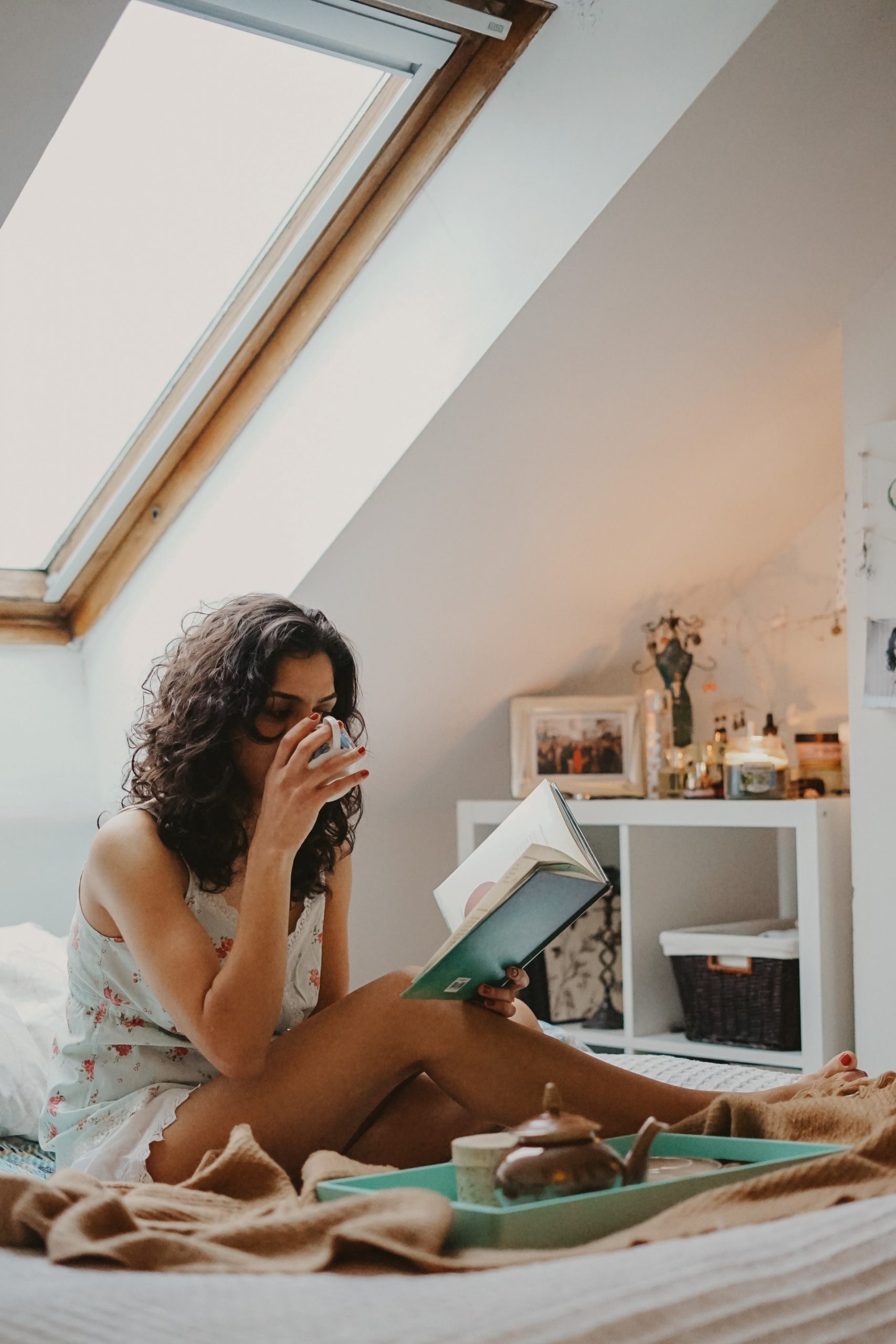

These days, a room’s lighting is integral to its feel and design and can influence the entire vibe of your home.
The right lighting can be the difference between feeling comfortable, cosy, or clinical. And if you’re just sticking to a boring ceiling light and opening it does the job, we have some ways you can elevate those flat, boring vibes it’s giving off and deliver the aesthetic you’ve been dreaming of, simply with lighting alone.
The trick is in layering your lighting. It’s not complicated, but it does require thoughtfulness and careful consideration. And this post is about how you can pull it off.
Ambient Lighting
Starting with the basics, your ambient lighting is your general lighting and every base layer of every room. Typically, this is your ceiling light, but it often has to be. It simply needs to be the main source of lighting.
The goal isn’t brightness here; it’s an even light that fills the room without shadows lurking in every corner. For increased ceiling light options, think pendant lighting, lighting with dimmers, track lighting, or even an led panel light round.
Task Lighting
Next, we’re moving onto task lighting. Task lighting is the lighting that helps you do things. And the trick to finding the perfect task lighting for your room is to understand exactly what tasks will be performed in the room.
Will you need lighting to help you work from home on a laptop? For doing homework at the dining table? Cooking or reading? Each task requires different lighting, and this is where you need to start.
Under-cabinet lighting is ideal for kitchen counters where you prepare food. For reading in the living room, the floor lamp that curves over your sofa provides dedicated lighting where you need it. In the bedroom, the desk light helps you get ready in the morning or apply makeup.
Accent Lighting
Next, you need to add accent lighting. And this is where you can have fun with things. It’s the smaller touches that highlight certain aspects of the room: a wall sconce that adds warmth, the LED strip over your favourite painting, or the LEDs behind the TV. Those little touches might go unnoticed, but add a huge amount to your room when incorporated. Essentially, with accent lighting, you’re aiming to draw the eye to specific details of the room, so it should be used accordingly.
Top Tips for Layered Lighting
Now you know more about layering lighting and how to implement it. What else do you need to know?
- Colour and warmth matter – a cool light makes the living room look like an office, but is ideal for the bathroom, where you need clarity. Warmer lighting can make your bedroom feel cosy, but it can also be somewhat of a hazard in darker spaces.
- Mix and match – it’s not a one-size-fits-all kind of thing, and you absolutely should mix and match all for your lighting. It’s about how the piece fits in the room, not the price or style.
- Remember, your goal is not to create a lighting setup that looks perfect on a Pinterest board. Instead, aim for a flexible lighting arrangement that suits your needs and lifestyle. Use your personal preferences and daily activities as a guide, and don’t be afraid to mix and match different lighting options. The key is to create a lighting setup that you love and that enhances the functionality and ambience of your home.