Image Credit: Pexels
Car ownership costs extend far beyond monthly finance payments and fuel. Insurance, servicing, tyres, parking and small day-to-day purchases can quietly add hundreds of pounds to your annual spending. A clear record of these expenses makes it easier to spot waste, prepare for larger bills and keep your car reliable. The following practical changes can help you reduce motoring costs without postponing work that protects the vehicle’s condition.
Track Hidden Everyday Motoring Costs
Record every car-related payment for at least three months, including parking fees, cleaning products, tolls and roadside cover. You can use a budgeting app or a simple spreadsheet with separate columns for fixed, occasional and mileage-based costs. Dividing the total by the number of miles travelled reveals what each journey really costs.
Review recurring payments carefully. Breakdown policies and insurance products may renew automatically at a higher price, while unused extras can remain unnoticed. These tips for managing car running costs explain the main expenses to include when planning your budget. Once you have accurate figures, set aside a monthly amount for servicing, tyres and the MOT test when due.
Why Scheduled Maintenance Matters Most
Follow the manufacturer’s service schedule even when the car appears to run normally. Fresh oil, suitable filters and timely fluid checks protect components from wear and help prevent a modest maintenance job from becoming an expensive repair. Regular basic car maintenance checks can also help you identify potential problems before they become more costly.
Schedules vary between models, engine types and driving conditions, so avoid relying on a general rule. If you own a Hyundai, this guide to Hyundai service explains what a typical service involves and what to consider when planning maintenance. Keep a calendar reminder several weeks before the next appointment, giving you time to budget and arrange transport if needed.
Protecting Manufacturer Warranty Rights
Read the warranty booklet before arranging maintenance because it explains service intervals, required specifications and record-keeping expectations. Missing scheduled work or using unsuitable parts and fluids could affect a later claim, particularly if the problem is connected to poor maintenance. However, a manufacturer warranty does not automatically require you to use an authorised dealership for routine servicing. An independent garage can carry out the work provided it follows the manufacturer’s requirements.
You don’t need to guess what has been completed. Ask for an itemised invoice showing the date, mileage, parts used and work performed, then retain digital copies alongside the service record. If the car displays a warning light or develops an unusual sound, report it promptly and keep evidence of the conversation.
Check the warranty end date as well. Booking an inspection a few weeks beforehand gives you a chance to raise potential faults while cover remains active. Good documentation can also support the car’s resale value because a future buyer can see how consistently it was maintained.
Smarter Driving for Better Fuel Economy
Follow the manufacturer’s service schedule even when the car appears to run normally. Fresh oil, suitable filters and timely fluid checks protect components from wear and help prevent a modest maintenance job from becoming an expensive repair. These routine vehicle maintenance checks can also help you spot developing problems before they become more costly.
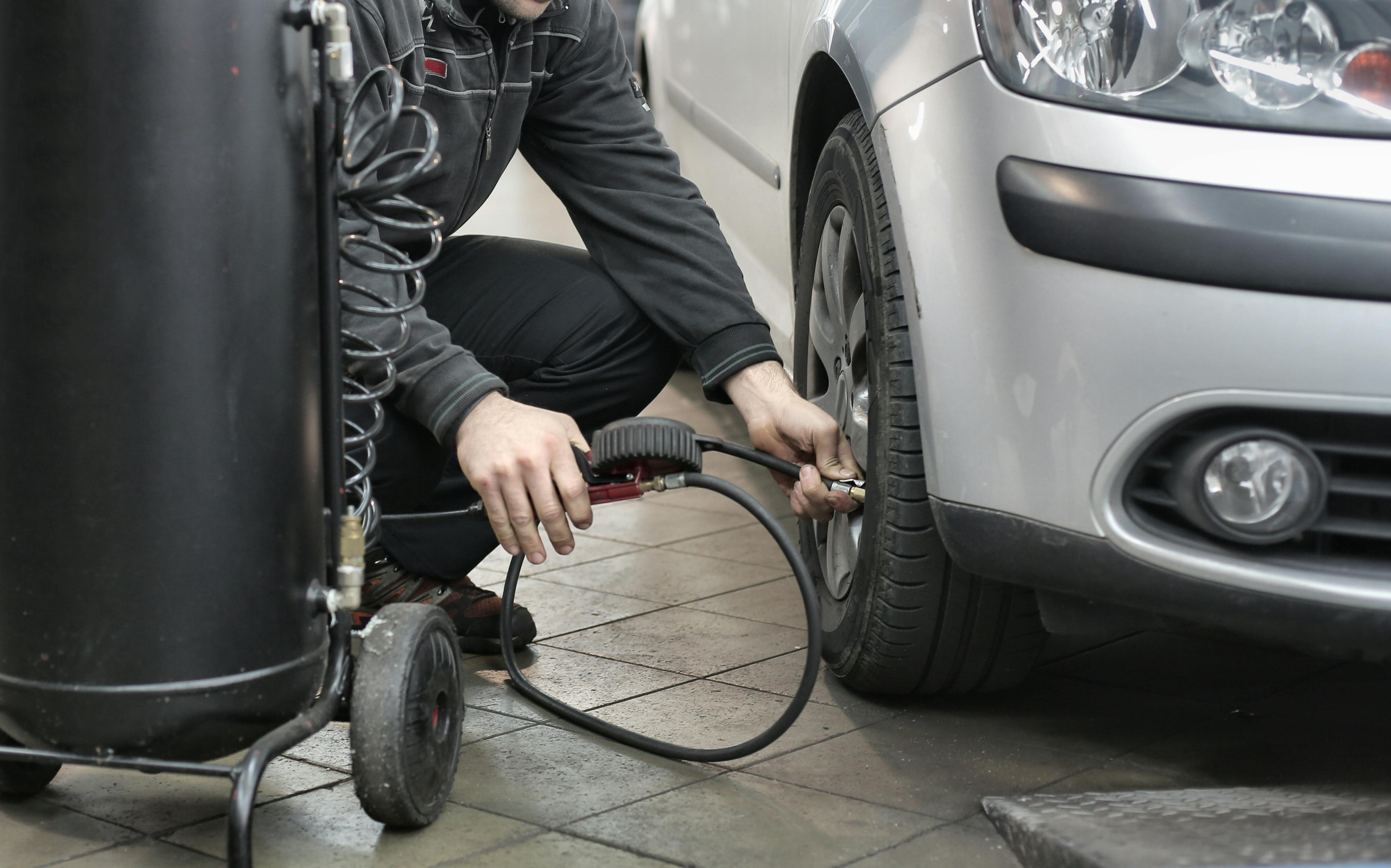
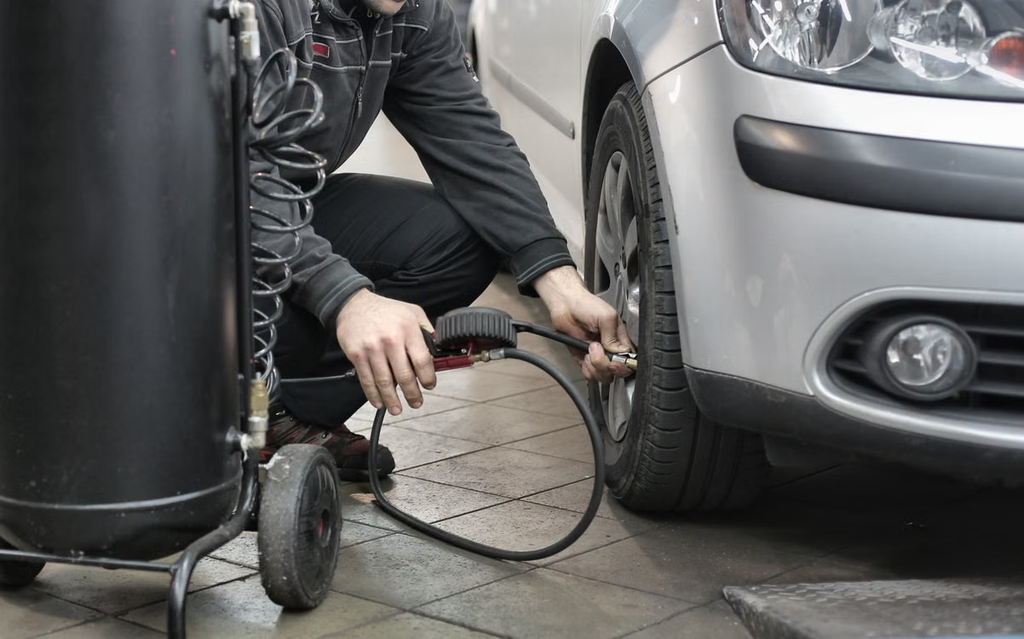
Check tyre pressures when the tyres are cold, ideally once a month and before a long trip. Use the figures listed in the handbook or on the vehicle information label, adjusting them when carrying a heavy load if the manufacturer advises it. Underinflated tyres increase rolling resistance and may wear unevenly.
Remove unnecessary items from the boot and take off an unused roof box, which adds drag. Combining several short errands into one route can also reduce cold starts, cut mileage and free up time.
Lower running costs come from accurate records, timely servicing and habits that protect the car every day. Start by calculating your real monthly motoring total, then create a separate maintenance fund based on that figure. When the next service reminder appears, the cost will already be accounted for.