Image Credit: Unsplash
The environment we create inside our homes deeply affects how we feel every day. Beyond just comfort and looks, the choices we make about air, water, light, and materials can either help or hurt our health. Turning your living space into a healthier sanctuary doesn’t mean a full renovation; a few smart changes can make a big difference to you and your family. You can also explore these practical lifestyle changes for better health when looking for simple ways to support your wellbeing.
Tackling Indoor Air Pollutants
We often worry about pollution outside, but the air inside our homes can be just as bad. Dust, pet dander, pollen, and mould spores are common culprits, along with volatile organic compounds (VOCs) from furniture, paint, and cleaning products. These airborne particles can lead to allergies, asthma, and general breathing problems.
A simple first step is to improve ventilation. Open your windows for at least 15 minutes daily, even when it’s cold, to let fresh air in. Use extractor fans in kitchens and bathrooms to get rid of moisture and cooking fumes. For a more targeted approach, think about an air purifier with a HEPA filter, which is designed to catch tiny particles. You can also find great information on improving indoor air quality from environmental agencies. Finally, certain houseplants like snake plants and spider plants are known for cleaning the air.
The Importance of Clean Water Access
Staying hydrated is key to good health, affecting everything from energy levels to how well you think. It’s just as important as other strategies for enhancing lung health. But not all water is the same. While UK tap water is safe to drink, it can sometimes have chlorine and other trace elements that change its taste. Worries about microplastics and other contaminants also lead many people to look for purer options.
A good water filter jug is a great place to start. For a more convenient and constant supply of chilled, filtered water, many families and offices are now using modern water dispensers that connect directly to the mains or use large, purified bottles. Having readily available, great-tasting water encourages everyone in the household to drink more throughout the day, making hydration an easy habit to keep up.
Choosing Non-Toxic Materials
Many common household products, from paint to cleaning sprays, contain chemicals that can be harmful over time. When you’re ready to redecorate, look for paints labelled “low-VOC” or “zero-VOC.” These options release far fewer harmful gases into your home’s air. When buying new furniture, especially items made from particleboard or MDF, check if they use low-formaldehyde adhesives.
The same idea applies to your cleaning cupboard. Many mainstream cleaners use harsh chemicals. You can make effective, non-toxic alternatives with simple ingredients like white vinegar, bicarbonate of soda, and lemon juice. Making these swaps provides some excellent tips for a healthier home and reduces your family’s exposure to unnecessary chemicals.
Natural Light for Better Moods
Natural light helps regulate our body’s internal clock, also known as our circadian rhythm, which controls our sleep-wake cycle. It also boosts serotonin production, a hormone that helps lift your mood and promote calm. A lack of natural light, especially in winter, can leave us feeling sluggish and down.
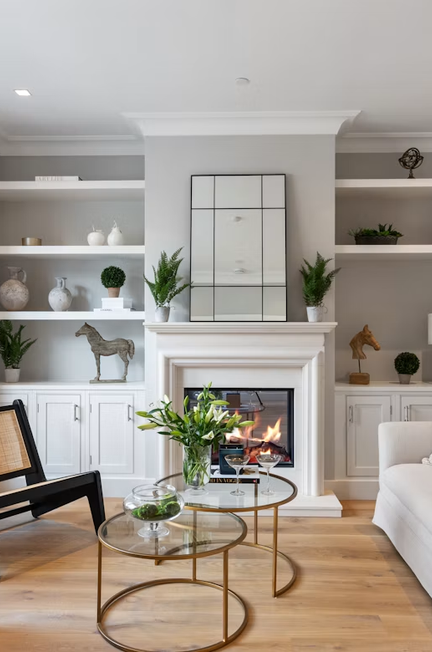
Maximise the sunlight coming into your home by swapping heavy drapes for sheer curtains or blinds. These let light filter through while still giving you privacy. Keep your windows clean inside and out, as dirt can block a surprising amount of light. Placing a large mirror on a wall opposite a window is a classic interior design trick; it bounces light around the room, making the whole space feel brighter and more open.
Minimising Noise Pollution Indoors
Constant background noise from traffic, neighbours, or even humming appliances can raise stress levels without you even noticing. Creating a quieter, more peaceful indoor environment is a key part of a healthy home. Soft furnishings are your best friend when it comes to soaking up sound.
Lay down rugs or carpets, especially in busy areas or rooms with hard floors. Thick curtains can help muffle outside noise, while soft furnishings like cushions and throws will reduce echo in a room. If draughts and the noise they let in bother you, use draught excluders at the bottom of doors. When it’s time to replace appliances like refrigerators or washing machines, check their decibel (dB) rating and choose quieter models.
Making a few thoughtful changes helps you transform your home from just a place you live into a true sanctuary that actively supports your health and happiness.